The Framing Streets Statements
Top Guidelines Of Framing Streets
Table of ContentsThe Single Strategy To Use For Framing StreetsIndicators on Framing Streets You Need To KnowThe Best Strategy To Use For Framing StreetsThe Of Framing StreetsThe Of Framing StreetsFraming Streets Things To Know Before You Get This
, usually with the goal of capturing photos at a definitive or poignant minute by mindful framing and timing. https://detts-mccleocy-skath.yolasite.com/.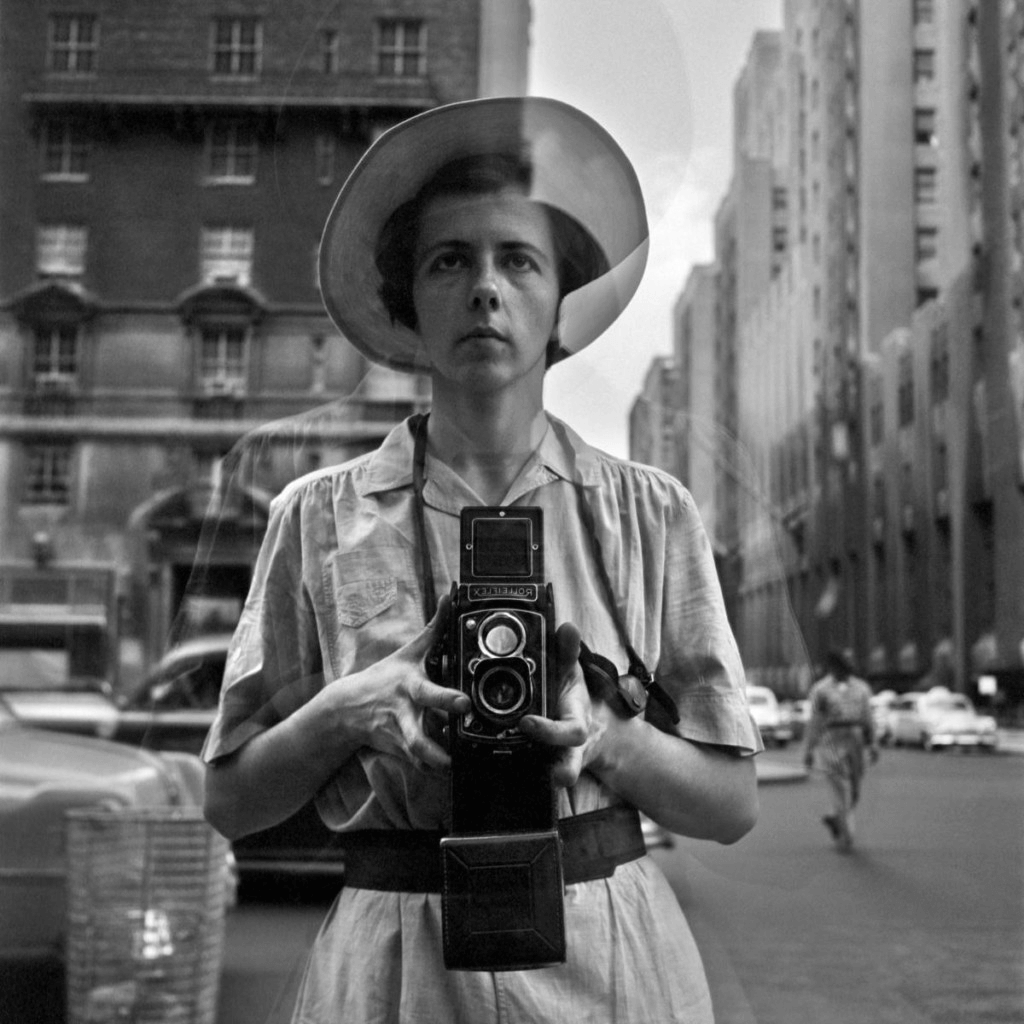
His boots and legs were well specified, however he is without body or head, due to the fact that these were in activity." Charles Ngre, waterseller Charles Ngre. https://framingstreets1.bandcamp.com/album/framing-streets was the initial professional photographer to acquire the technical sophistication called for to sign up people in activity on the street in Paris in 1851. Professional Photographer John Thomson, a Scotsman collaborating with reporter and social activist Adolphe Smith, released Road Life in London in twelve monthly installments beginning in February 1877
A Biased View of Framing Streets
Eugene Atget is pertained to as a progenitor, not due to the fact that he was the initial of his kind, yet as an outcome of the popularisation in the late 1920s of his document of Parisian roads by Berenice Abbott, that was influenced to embark on a similar documents of New York City. [] As the city developed, Atget helped to promote Parisian roads as a worthwhile subject for photography.
The Basic Principles Of Framing Streets
Martin is the initial taped photographer to do so in London with a masked video camera. Mass-Observation was a social study organisation founded in 1937 which intended to videotape everyday life in Britain and to record the reactions of the 'man-in-the-street' to King Edward VIII's abdication in 1936 to wed separation Wallis Simpson, and the succession of George VI. In between 1946 and 1957 Le Groupe des XV each year exhibited work of this kind. Andre Kertesz. Circus, Budapest, 19 May 1920 Street photography developed the major web content of 2 exhibitions at the Gallery of Modern Art (Mo, MA) in New York curated by Edward Steichen, 5 French Photographers: Brassai; Cartier-Bresson, Doisneau, Ronis, Izis in 1951 to go to these guys 1952, and Post-war European Digital Photography in 1953, which exported the concept of road digital photography worldwide.
The smart Trick of Framing Streets That Nobody is Discussing
The recording machine was 'a concealed video camera', a 35 mm Contax hidden underneath his coat, that was 'strapped to the upper body and linked to a lengthy wire strung down the appropriate sleeve'. However, his job had little contemporary influence as due to Evans' level of sensitivities about the originality of his task and the privacy of his topics, it was not released until 1966, in guide Several Are Called, with an introduction created by James Agee in 1940.
Helen Levitt, then a teacher of young youngsters, connected with Evans in 193839. She recorded the temporal chalk illustrations - Lightroom presets that became part of children's street culture in New York at the time, as well as the kids that made them. In July 1939, Mo, MA's brand-new digital photography section included Levitt's work in its inaugural exhibitRobert Frank's 1958 publication,, was substantial; raw and frequently out of focus, Frank's pictures questioned traditional digital photography of the time, "challenged all the formal policies set by Henri Cartier-Bresson and Pedestrian Evans" and "flew in the face of the wholesome pictorialism and heartfelt photojournalism of American publications like LIFE and Time".